

Predict the decline. Act before the fall.
Gia calls your members between visits and tells your team who needs attention first.
- M.R.81HighTwo new sedatives
- J.T.77HighRecent ER visit
- A.L.84ElevatedWeight drifting down
- D.K.79ElevatedGait change noted
- S.P.72WatchMissed two calls
Options for review. A clinician decides.
- 469,000people in the sealed test
- 5 of 5pre-registered outcomes passed
- < 2 minclinician review
- 0staff time to place a call
Dramatization with synthetic and sample data. No real patients shown.
Read the transcript
Today, healthcare is sick care. It waits for the fall, the diagnosis, the trip to the ER. More than 61 million Americans are 65 or older, and about 10,000 more reach 65 every day. Three in four adults over 50 want to stay in their own homes as they age. And the U.S. could be short up to 86,000 physicians by 2036. But answers can take time. A first neurology visit takes about 50 days on average. That's why we built Gia. Good morning, Linda. It's Gia, calling for your weekly check-in. Is now still a good time to talk? Meet Gia — a Digital Human® with Voice AI, and your care team's co-clinician for cognitive and behavioral health, between visits. She speaks 44 languages. Care networks like yours lose ground in the gaps between visits. Here are six of them, and how Gia helps with each. Gia is built on peer-reviewed speech biomarker technology that analyzes 2,500 speech biomarkers in real time. Follow-up after a hospital stay can lag. Gia calls after discharge, and the morning list shows Dana who to reach first. Linda is first, and every reason links to her record. Avoidable hospital returns drive cost. Gia's predictive engine flags who is heading toward decline or a fall, up to a year ahead. It starts with her record. Gia securely imports each patient's history from the clinic's EHR, like PointClickCare or Epic, and our models score that history. Her voice and her smartwatch add another layer on top. Records arrive scattered, often by fax. Gia reads the fax, and a nurse confirms each fact before it reaches the record. Memory problems can go unnoticed for years. A forty-second speech check-in, and Linda's digital twin, show who needs a closer look. How does Gia know what to look for? Behind every flag is a digital twin. Gia compares Linda with thousands of people like her among the 12.3 million patients in our North American longitudinal dataset, followed for years, and sees which paths they took. Almost no one else has data like this, and every call Gia makes adds to it. Her page shows what raises the concern, what lowers it, and what's still unknown. Options, never orders. Dana, her clinician, picks an option, adds a note, and assigns a follow-up. Before the visit, one click confirms her active Medicaid plan. From Linda's page, Dana taps Initiate Assessment and picks Cognitive Screening. Gia calls Linda right away, or at the time Dana schedules. Linda talks with Gia. Within minutes, Dana sees her cognitive results — what changed, and why it matters. Caregivers carry the load. Gia checks in with them too, and families see updates only after a clinician releases them. Once approved, Gia writes the results back automatically — into PointClickCare, Epic, or the EHR of your choice. Gia also brings in raw data from the Samsung Galaxy Watch and Apple Watch, on Android and iOS: heart rate and rhythm, skin temperature, ECG, movement, steps and fall alerts. So the care team sees the whole picture between visits. In the Ask Gia app, Linda reads her result in plain words. No scores, no jargon. And she chooses to share it with her daughter. Linda can start her own check with Gia anytime, and her daughter can follow along with her over time. For a neurology check-in, Gia can also meet her face to face, on video. For stroke and neurology, Gia guides a short video exam modeled on the NIH Stroke Scale. A neurologist reviews the recording. At the home visit, Dana records on her scribe device. Her device syncs with the dashboard, so the care team can work from anywhere. Gia turns the conversation into a structured SOAP note, ready for billing, with every line linked to what was said. It suggests the billing codes and drafts the care plan. Dana reviews, approves and signs. And when Dana has a how-to question, Ask Gia answers from the dashboard's own guide. Gia's science is vetted by a clinical advisory board of neurologists and care leaders. Gia is a PointClickCare Marketplace partner, and Samsung is our co-marketing and bundling partner. Gia also integrates with Epic. And Gia is HIPAA compliant. Staying connected matters. So in early 2027, members can play games, share music and life stories with family, friends and others across the Gia network — all as conversations with Gia. Linda, her daughter, her care team — connected. No family should have to carry this alone. LEAD starts in 2027. Gia helps your team close follow-up gaps before it does. Gia by Scienza. Predictive medicine, from home care to health systems.
The dataset figure refers to Scienza's licensed national longitudinal dataset of senior-care records; see the dataset page. Model evidence is summarized on the Health Analytics page.
Three costs you already carry. One history predicts all three.
A hip fracture you own for thirty days.
The fall that precedes it is the first sign anyone acts on.
A return to hospital inside the window.
Follow-up after discharge lags. The readmission comes out of shared savings.
A dementia diagnosis you must now document.
In January 2027, LEAD makes dementia care a line item.
The history that predicts all three is already in your record. Almost nobody is reading it.
Gia reaches them. Your team decides. The record remembers.

Gia reaches the patient.
By phone or video, at home, in their language. Forty seconds. If the call is missed, she tries again.

Your team decides.
A ranked worklist with the reasons behind it. One click to start an assessment.
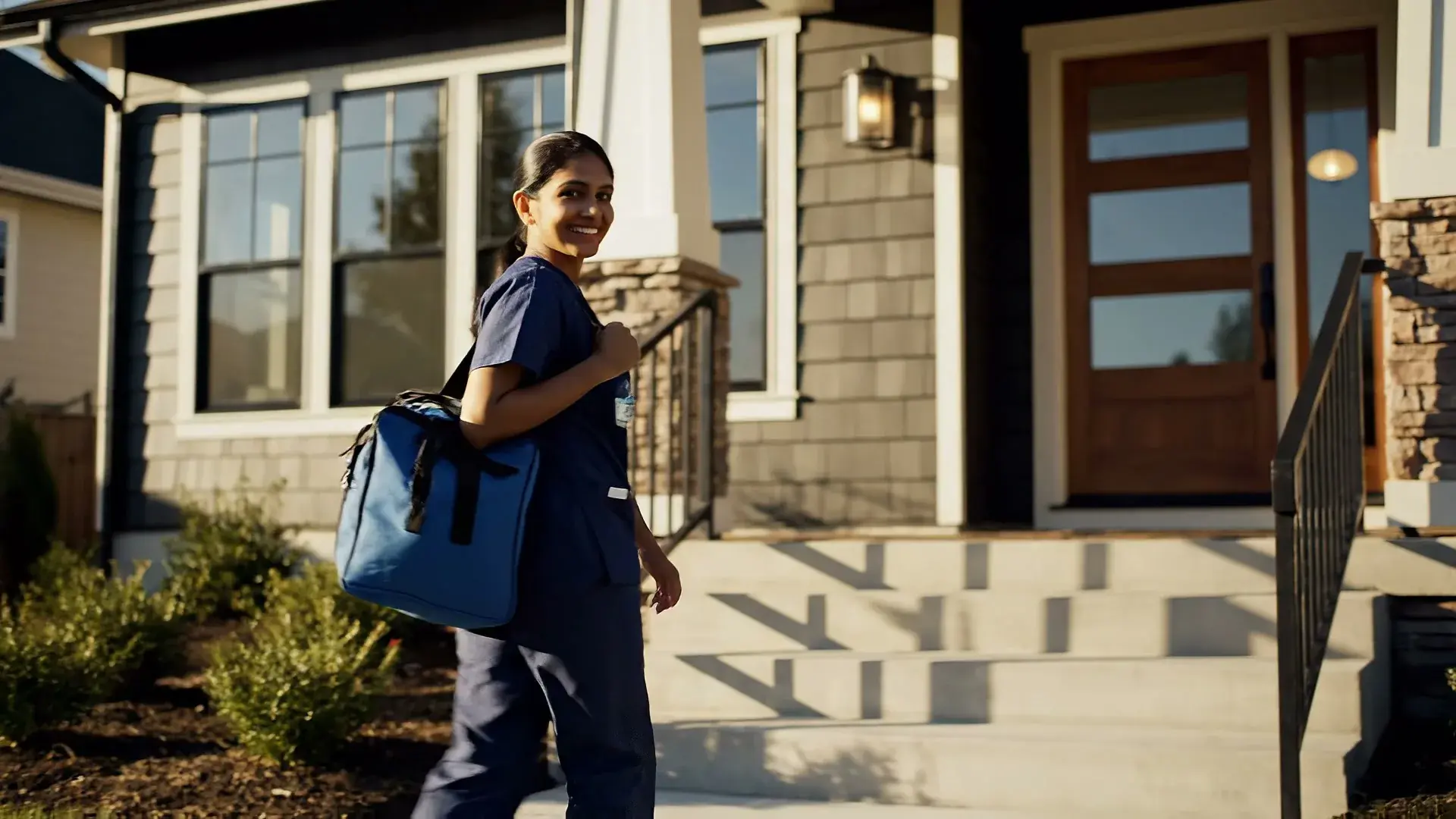
The record keeps what happened next.
Results and follow-up write back to PointClickCare, Epic or your EHR.
Gia is a Digital Human® with Voice AI, built on peer-reviewed speech biomarker science. Every result is an option for a clinician to review, not a diagnosis. See the Gia product page.
You deploy Gia. Your members talk to her. Your clinicians decide.
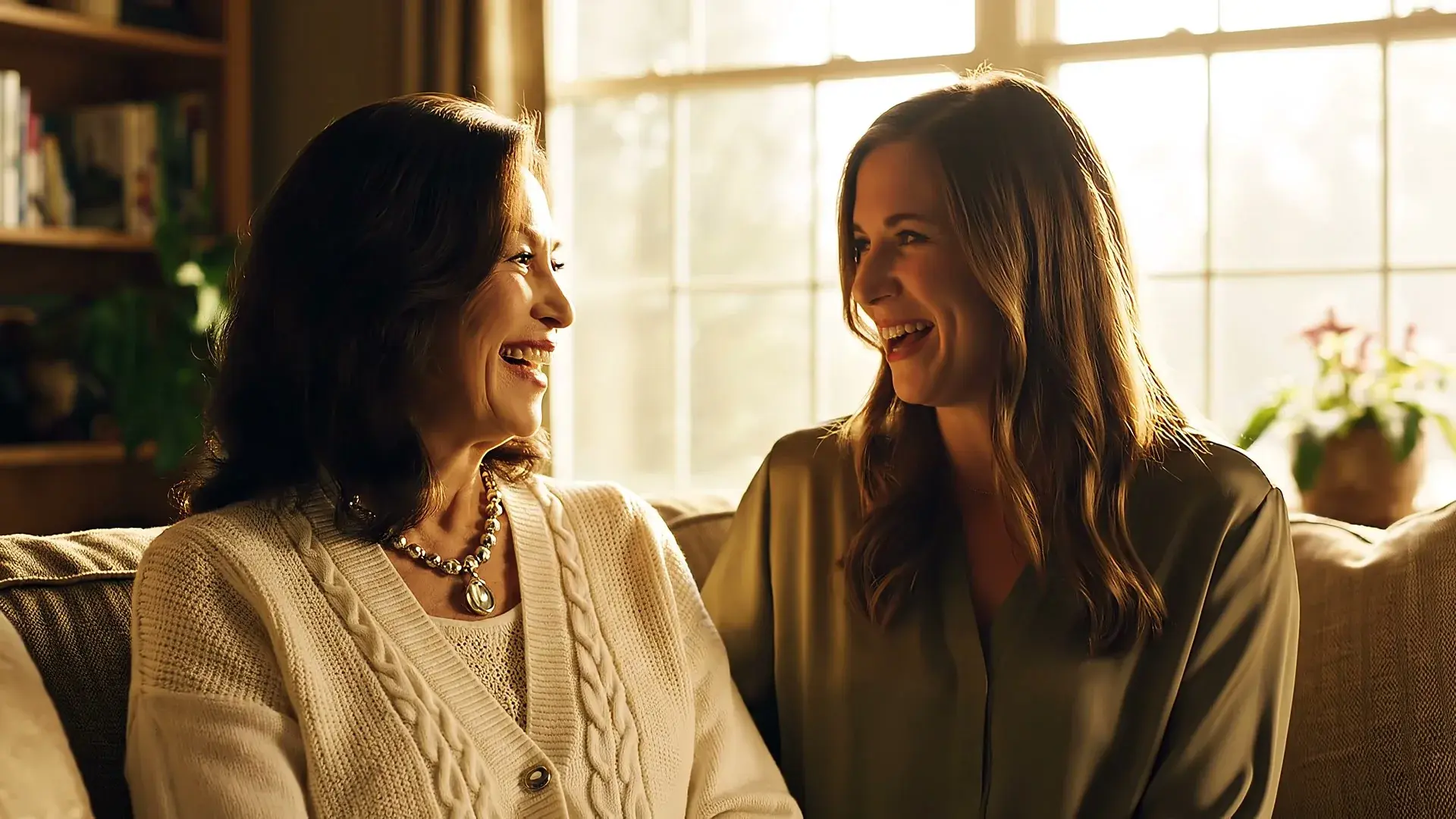
Reach every member between visits.
Star-measure follow-up that happens.
ACOs and health systemsClose the loop after discharge.
Post-discharge contact inside the window.
Home health and care organizationsSee the patient on the days you are not there.
Visibility on the six days between visits.
Post-acute and senior livingGive staff time back.
Survey-ready documentation on every result.
Members and families: what a call with Gia is like.
Scienza's own foundation model for aging.
It reads each person's history and tells your team what comes next: falls, hospital return, dementia, stroke, Parkinson's, cognitive decline.
Tested like a clinical trial on 469,000 people it had never seen. Five pre-registered outcomes passed, falls replicated, hospital return trained. Validation manuscript submitted to JMIR AI. Your team sees a ranked list with the reasons behind it.
Run it on your own populationStart where it fits
Gia care platform
Per-member subscription
- Calls between visits
- Ranked worklists and clinician review
- Follow-up record
- EHR write-back
Gia Health Analytics
Thirty-day evaluation on your data, Scienza fee waived
- One analysis of up to five hundred people
- In your own cloud project; nothing leaves
- Google Cloud Marketplace and AWS Marketplace
- Dementia, falls, hospital return, stroke, Parkinson's, cognitive decline
See Gia work on your population.
Predictive medicine, from home care to health systems.